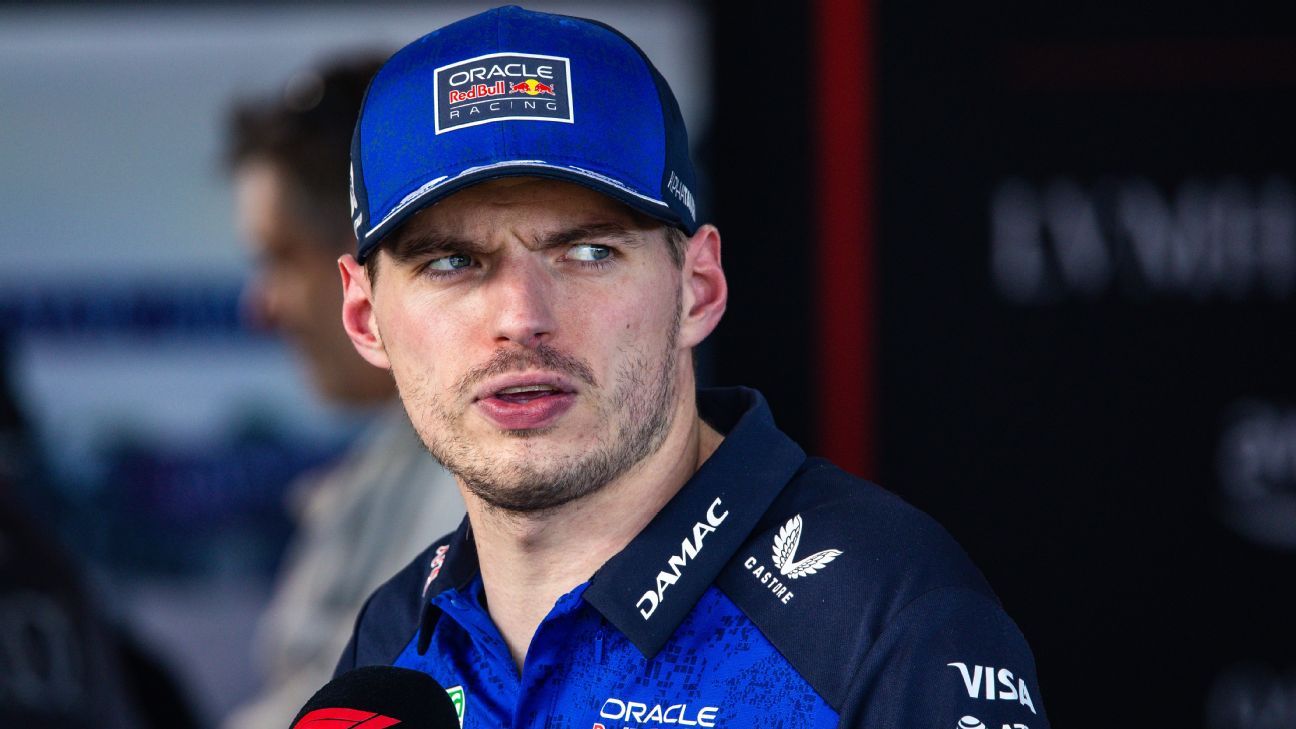
Mercedes team principal Toto Wolff has offered his perspective on Max Verstappen's recent criticisms of Formula 1's new regulations. Wolff believes that Verstappen's comments are primarily a reflection of the challenges Red Bull is currently facing on the track, rather than indicative of fundamental flaws in the team or the car.
Verstappen, the reigning world champion, has voiced frustrations with the performance of his Red Bull Racing RB19, especially under the new technical regulations introduced this season. His remarks have sparked discussions across the F1 community about the competitiveness and design of the current cars.
Wolff emphasized that the issues Verstappen is experiencing are more akin to a 'horror show' on the track, which can be attributed to the team's ongoing development struggles and the complexities of adapting to the new rules. He pointed out that Red Bull, despite its dominance last season, is facing unforeseen difficulties that are not necessarily reflective of the overall health of the sport or the reliability of the regulations.
"Max's comments are understandable given the circumstances," Wolff stated. "When a team like Red Bull encounters such challenges, it naturally affects the driver’s perception and feedback. However, these are technical issues that can be addressed with time and effort, rather than flaws in the regulations themselves."
Wolff also highlighted that Mercedes, along with other teams, is working diligently to improve its performance and adapt to the evolving technical landscape. He expressed confidence that the current difficulties are temporary and that the sport will stabilize as teams gain more experience with the new regulations.
In the broader context, Wolff's remarks serve as a reminder that the current season is still in a state of flux, with teams navigating uncharted territory. The focus remains on development and innovation, with the hope that the competitive balance will improve as the season progresses.
Overall, Wolff's perspective underscores that Verstappen's criticisms are more about the immediate on-track struggles rather than any inherent flaws in the regulations or the sport's future direction. It reflects a common understanding among team principals that early-season challenges are part of the development process in Formula 1.